BLOG
The Role of Observation and Attention in the Emergence of Recovery
Field Notes
Posted on May 27, 2026, by Peter Loomis
1. Introduction
2. Answering the Call
3. Last Fall
4. Austin
5. Observation and Attention
6. Conclusion
Introduction
I just returned from nearly three weeks in Austin where I was helping my brother through a kidney removal surgery following the discovery of a large mass that was ultimately confirmed to be cancerous. For much of the lead up, the outlook remained uncertain. We knew something was wrong, but not the scope of it yet. What began as nausea and discomfort gradually escalated into a DVT, then a Pulmonary Embolism, then scans, specialists and eventually the discovery of the mass itself. Once surgery was scheduled, everything in life started orienting around that date.
This was the second time in less than a year that I found myself stepping into a short-term medical advocate and caregiving role. Last fall it was with my mother following an unexpected hospitalization and rehab stay in San Francisco before helping her transition back home to Milwaukee. This time it was my brother. Different cities, different circumstances, different medical realities, but strangely similar rhythms.
Hospitals. Waiting rooms. Rounds. Case managers. Insurance questions. Medication tracking. Support systems. Transportation. Logistics. Observation.
Looking back on the experience, what strikes me is just how much revolves around observation and orientation long before any type of intervention. Trying to understand what is happening. Assessing conditions before reacting too quickly. Paying close enough attention to identify what is actually needed rather than simply what feels urgent in the moment.
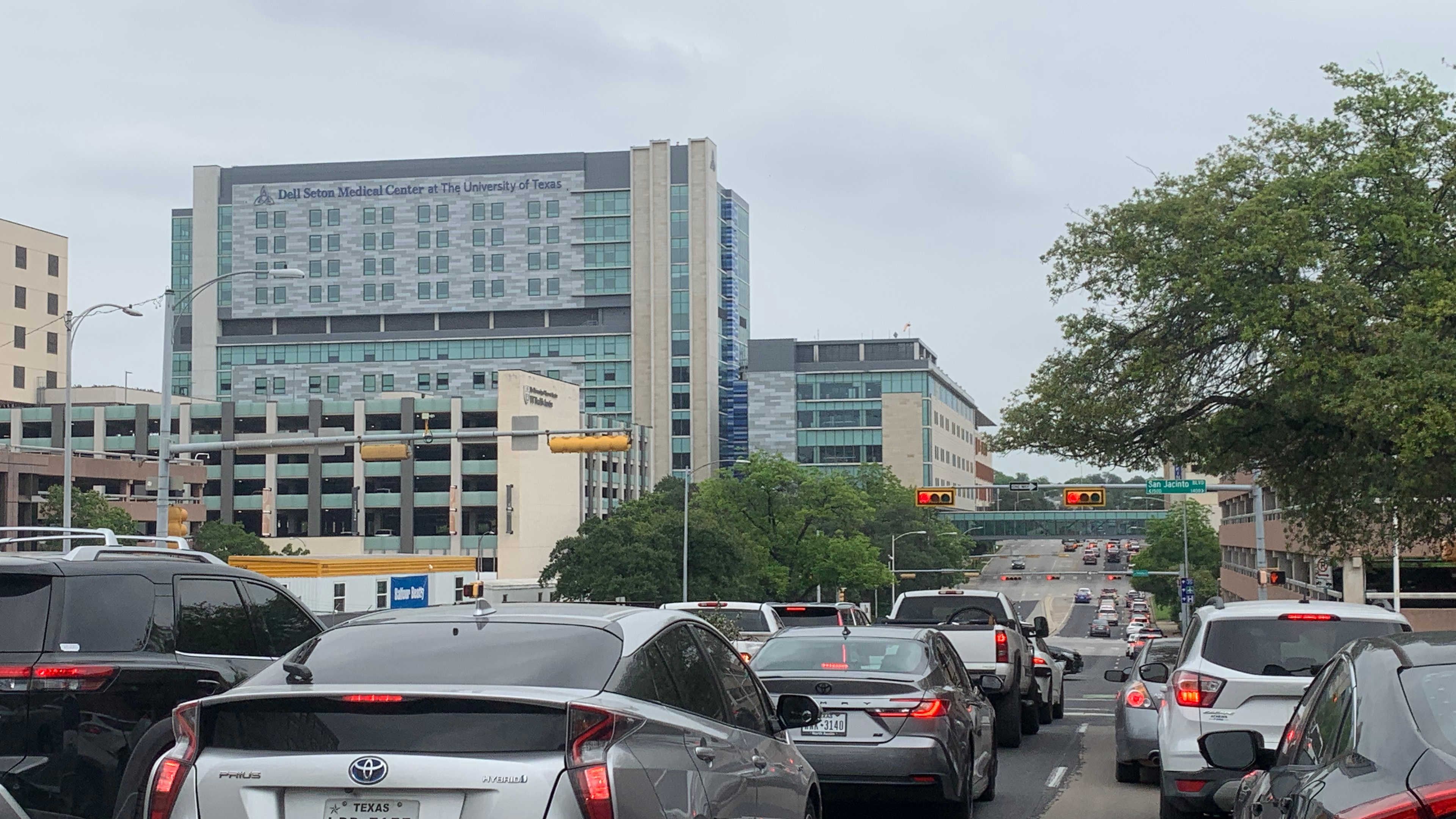
On the way to visit Dave at Ascension Dell Seton Hospital in Austin.
2. Answering the Call
When my mom and sister asked if I’d be able to go down to Austin to help, the answer was immediate. This is my brother we’re talking about. Of course I was going.
Still, I was aware going in how intense these situations can become over time. Not simply emotionally, but systemically. Caregiving quickly expands beyond emotional support alone. It becomes a combination of project management, logistics, observation, communication, scheduling, preparation and adaptation all happening simultaneously while everyone involved is also trying to regulate their own anxiety and uncertainty.
A few years earlier, after my father’s accident and hospitalization, my family had already experienced how important observation and communication could become inside medical environments. We made it a point to have someone physically present in the room during rounds whenever possible because information itself became part of the support structure. Doctors would appear briefly, nurses would rotate shifts, specialists would move quickly between patients and opportunities to ask questions could disappear just as quickly as they arrived.
Someone needed to be paying attention. So we took notes. We tracked developments. We relayed updates back to family and friends. We tried to orient ourselves inside systems we did not fully understand while simultaneously attempting to advocate for someone we loved.
Much of that experience has shaped the way I approached both my mother’s recovery last fall and now that of my brother.
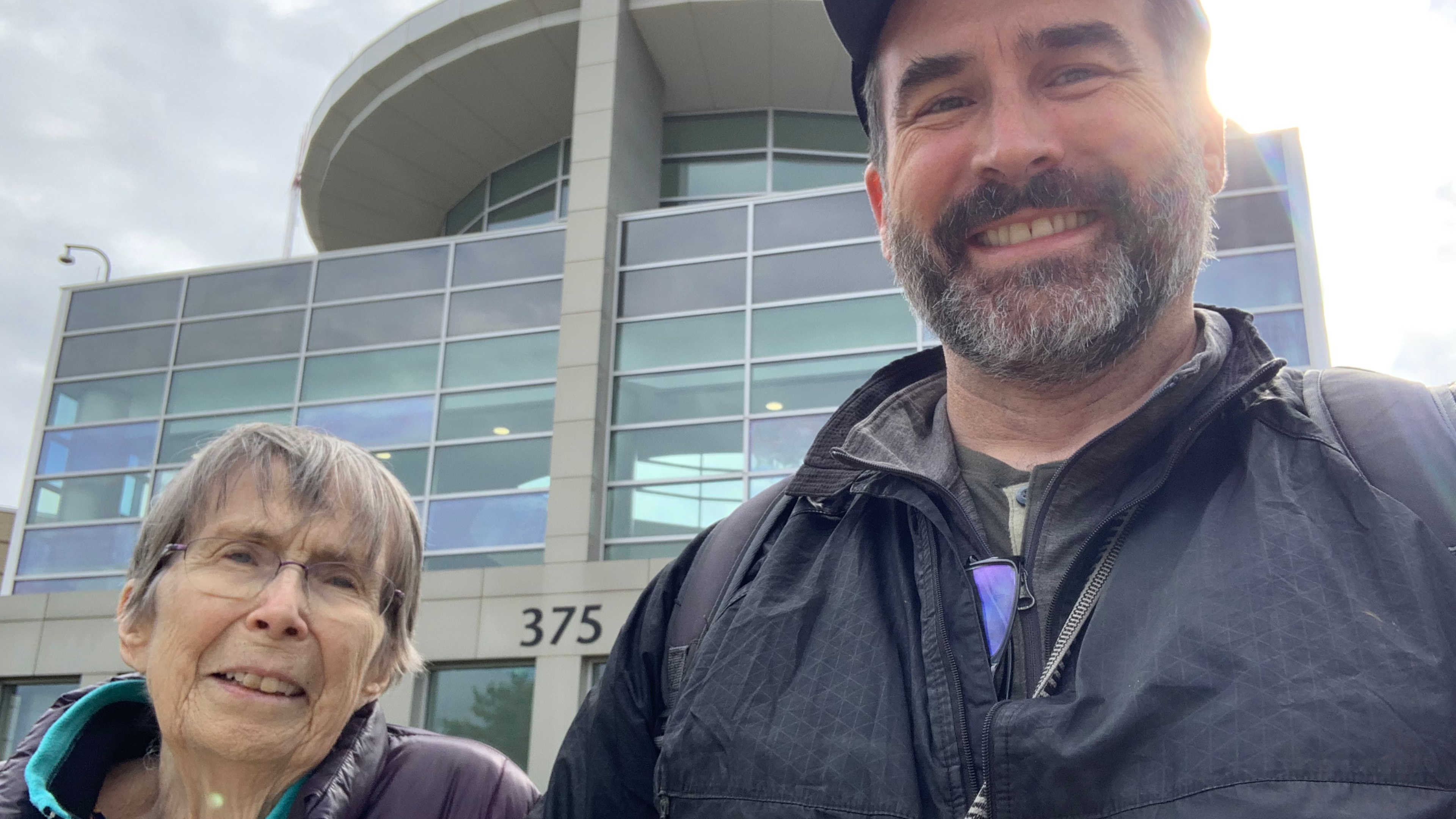
My Mom and I outside the River Woods Medical Complex
3. Last Fall
After my mother’s hospitalization and rehab stay in SF last year, I traveled back with her to Milwaukee and stayed for roughly a month helping her transition back into her home environment.
There were follow up appointments. Caregivers to coordinate. Home care visits. Questions about mobility, safety and accessibility. At the same time there were also smaller, quieter observations accumulating each day. Comments made in passing about things being difficult to reach. Areas of friction around the house. Rooms that no longer supported how she actually moved through the environment now versus years earlier.
I made notes constantly. A bed rail. A heated blanket. Better lighting. Safer pathways. Clearing rooms. Removing clutter. Making the house easier to navigate physically and cognitively.
At some point I realized I was approaching the environment almost the same way I approach design. Not always in the sense of aesthetics, but by observing behavior closely enough to identify where unnecessary friction was accumulating and where support systems were failing to meet evolving needs.
The solutions themselves were often not especially glamorous. Clearing decades of accumulated boxes from a room. Taking vanloads of old storage to the dump. Setting up a Medical Guardian pendant. Reorganizing furniture. Improving access to frequently used items. But over time these smaller interventions gradually changed the emotional texture of the environment itself. The house started functioning more smoothly again. Daily life required less effort to maintain.