BLOG
Introduction
I got back to PERSONE HQ in San Francisco at the end of May, after several weeks in Austin, TX. With only a few weeks before leaving again — this time for a family reunion in Milwaukee — it was just long enough to lean back into some appointments and errands, reconnect with friends and revisit projects that had been waiting patiently in the background.
Thinking about priorities again, there is a story told in Steven Covey's "Seven Habits of Highly Successful People" about filling a jar with a pile of rocks. The only way everything fits is if the big rocks go in first. Health. Relationships. Family. Work. Creativity. Inspiration... Naming the important stuff wasn't hard. The hard part was actually giving each of those things real attention inside a time window this small.
I've come to call it a "life sprint." It was only a short window, but mine to tune back into. Like a favorite song. The melody of my life.
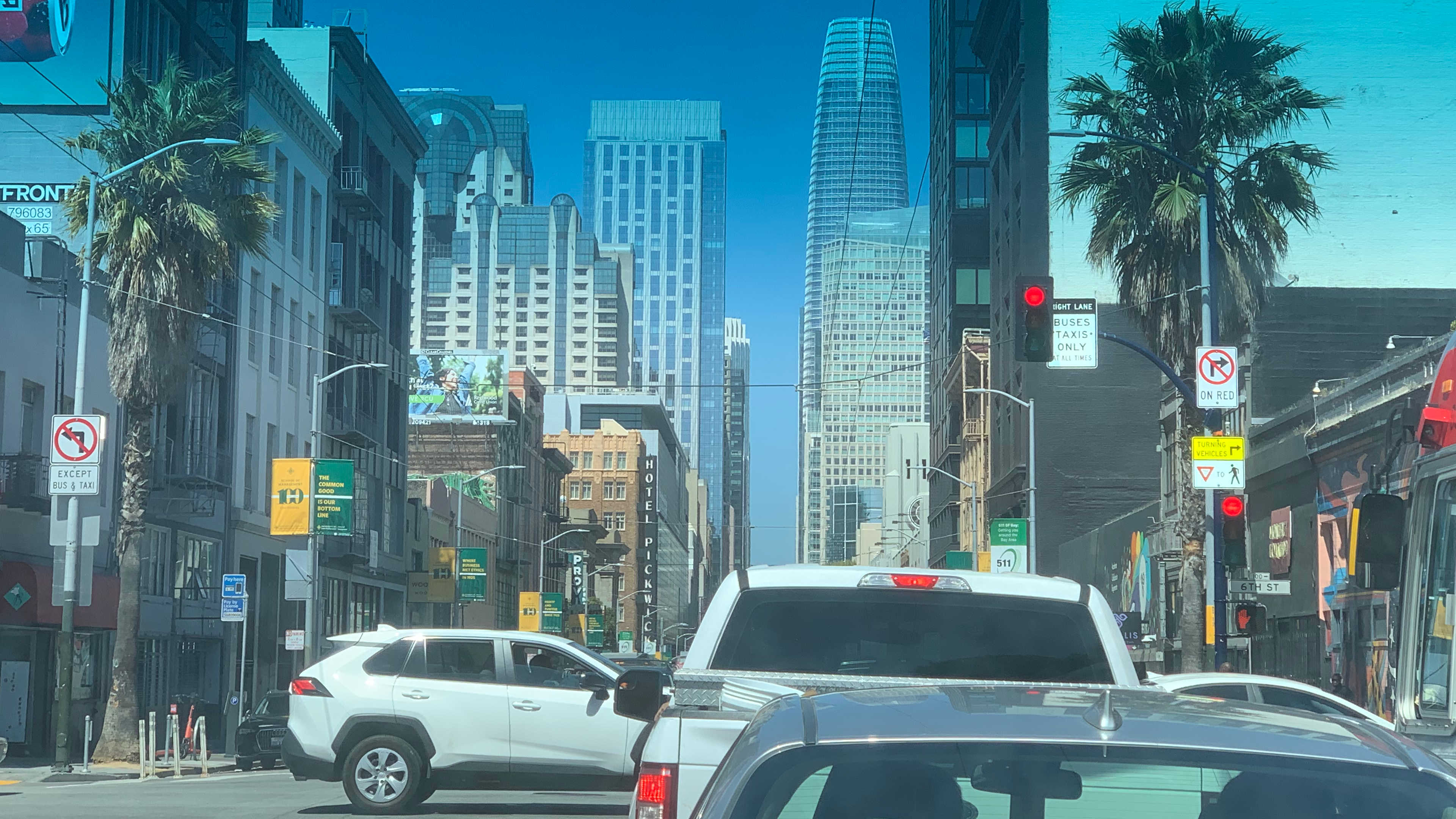
Good old San Francisco. Still here.
1. Home Again
One of the things I noticed most about coming home again after being away for "so long," was how familiar everything felt.
Of course, right? It's all my stuff. My desk and chair. My bed. My apartment. My neighborhood. The view.
But after weeks away, there was something almost disorienting about how reassuring my space felt. Everything was exactly where I left it. My chair. My table by the window. My desk and workstations. My coffee mug. Just waiting for me to walk in the door and re-engage.
It reminded me of putting on a favorite album after not hearing it in years. Within seconds my brain reconnected with something it already knows. The melody arrived before I consciously remembered it. The structure felt familiar even though I haven't heard it in a while. Like a favorite song coming in clearly after tuning the radio.
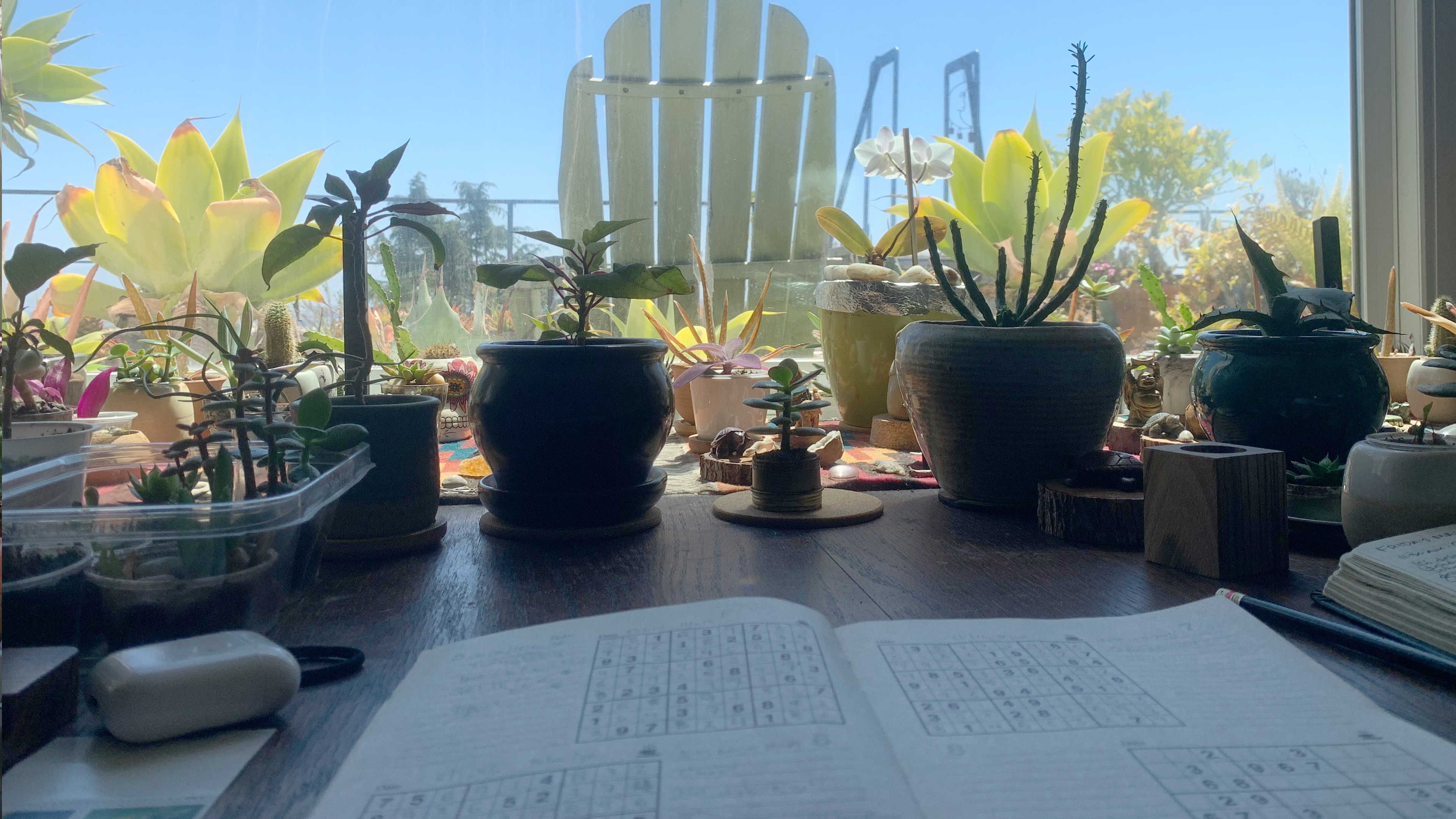
I stared at sudoku boards for hours, determined to figure out how to do it. After lots of steady focus, my breathing deepened and slowed. Then, for a time, when I wasn't playing, time felt like it was going in fast forward.
2. Pattern Recognition
Sudoku
Around the time I came back, I got into Sudoku. I had always thought it was some magic power that math experts possessed. My mom - a former math teacher - had taught me some of the basics...each row and quadrant has to have all 9 numbers in them without repeating.
But what started as a way to play Sudoku turned into something more interesting than I expected. The puzzles reward patience. It can take time to notice relationships between numbers even when they're right there in plain sight the whole time. Scanning rows, columns, quadrants, looking for any signal hidden inside a board full of incomplete information.
More than anything, however, Sudoku has taught me to focus on the next obvious move. Reducing options. Doing the next logical thing that will advance completion of the board, and open up - or reveal - other potential next steps in a more clear and obvious manner. As long as the rows and columns of cells are all balanced with each number in its own place, everything fits. It's incredibly satisfying to finally realize such a harmonic resolution.
Formula 1
Just before the Monaco Grand Prix this year I got into Formula 1, also. It was a crash course (no pun intended) in rapid assimilation and context absorption. Learning the drivers, the teams, the backstories and legacies.
Underneath the spectacle, the sport is based on constant micro-adjustments and optimizations, every lap generating data to be integrated. Every race and season at large is its own exercise in observation and refinement. The drivers' fitness, attention and reaction speed is paramount. Anything non-essential is offloaded to other team members or systems.
Results are engineered in racing. Custom parts are designed and printed or fabricated as needed. Everything tuned to perfection. Everything does something, otherwise it wouldn't be there. Even the smallest fin could be directing an invisible vortex of air somewhere to improve handling or performance. I find the science behind it is fascinating and between the many teams, cars and drivers the competition is fierce, so the focus on improvement is relentless.