BLOG


Cover image placeholder
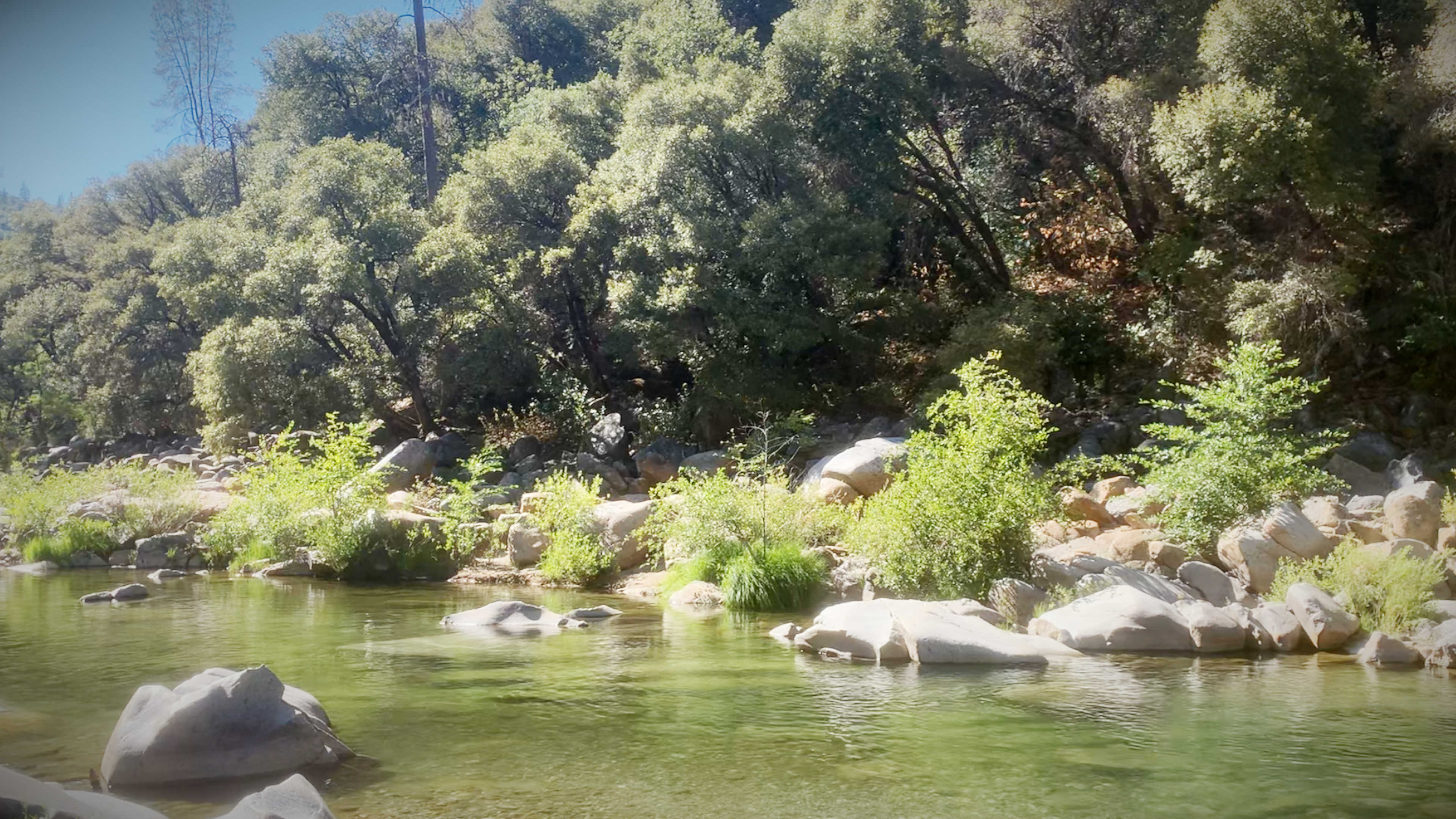
Cover image with clear green water flowing through rocks beneath a wooded bank along the South Yuba River in the background.

Into the River

On Memory and Media

Posted on July 31, 2026, by Peter Loomis


Image placeholder — Introduction
The South Yuba River in the mountains of northern California.

The South Yuba River in the mountains of northern California.

Introduction

The ancient Greek philosopher Heraclitus is often associated with the idea that we cannot step into the same river twice. The water has moved on and so have we. The same rivers carry different waters. They remain recognizable because they continue to flow.

I kept returning to that thought after spending much of July with my family in Milwaukee then, after returning to California, camping with friends near the South Yuba River.

My brother had returned from Australia for the first time in three years. His twins were six. My mother was hosting and it was my sister's birthday. We gathered to celebrate the Fourth of July and a rare reunion of several generations in the place where much of our family history began.
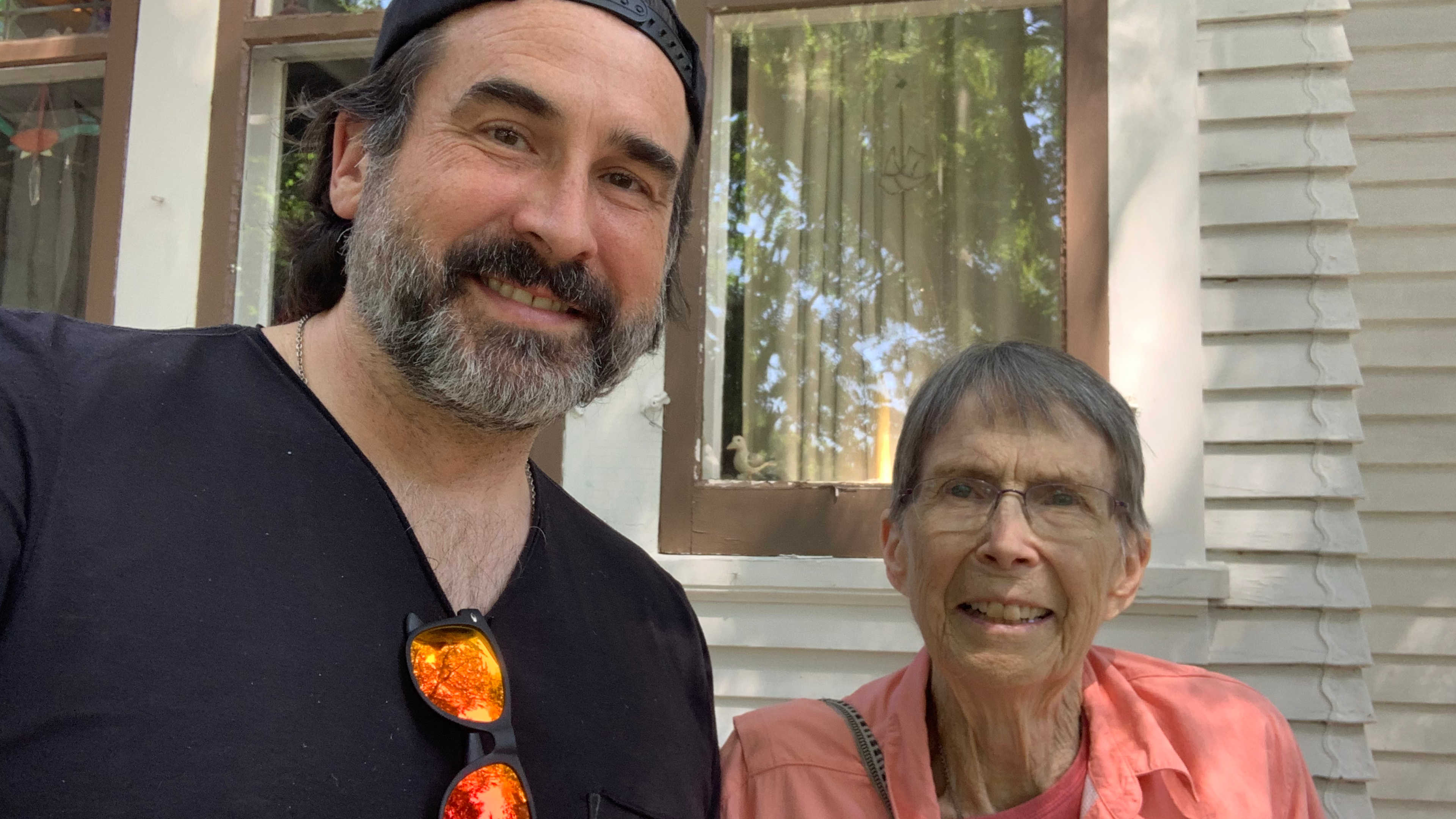

Image placeholder — 1. Home Sweet Home Again
Me and my mom outside our family home in summer

Add caption.

1. Home Sweet Home Again

I returned to Milwaukee less than six months after my previous visit, although July made the house feel completely different. Long daylight, dense green trees, warm evenings and a heat wave pushed the upstairs temperature into the mid-nineties.

As an adult now, I experience the house and the work it requires differently. The yard that needs watering, the branches that need trimming and the basement pathways that need clearing. Things that once seemed to take care of themselves now reveal the continuous work my parents had been doing all along.

My mom still carries much of that work. She organized much of the gathering, shopped for food and prepared the house. She baked, decorated and brought everyone together.
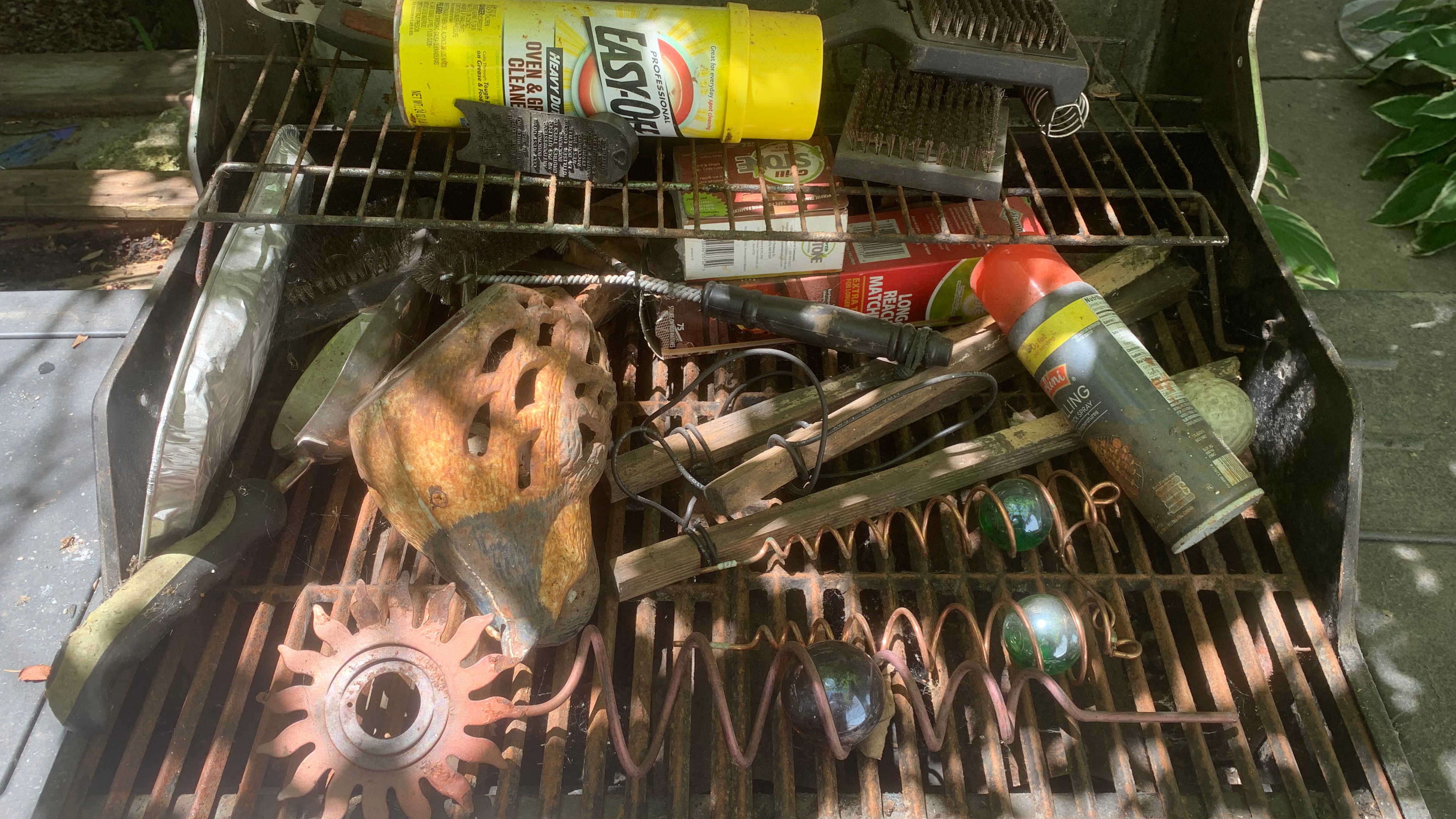

Image placeholder — 2. Preparing the House
Outdoor grill filled with rusted grates, cleaning supplies and stored garden objects before restoration.

My Dad's former outdoor grill filled with rusted grates, cleaning supplies and stored garden objects — before restoration.

2. Preparing the House

The most visible preparation centered on my late father’s grill. It had been sitting unused outside for years and required several days of cleaning before we could use it. I removed leaves, organic debris and insect nests. I scraped the grates, checked the burners and returned it to working condition.

When the birthday barbecue finally began, I found myself standing behind the grill with the spatula, cooking bratwurst and hamburgers while everyone gathered around the table. It was my first time cooking on my dad's grill.
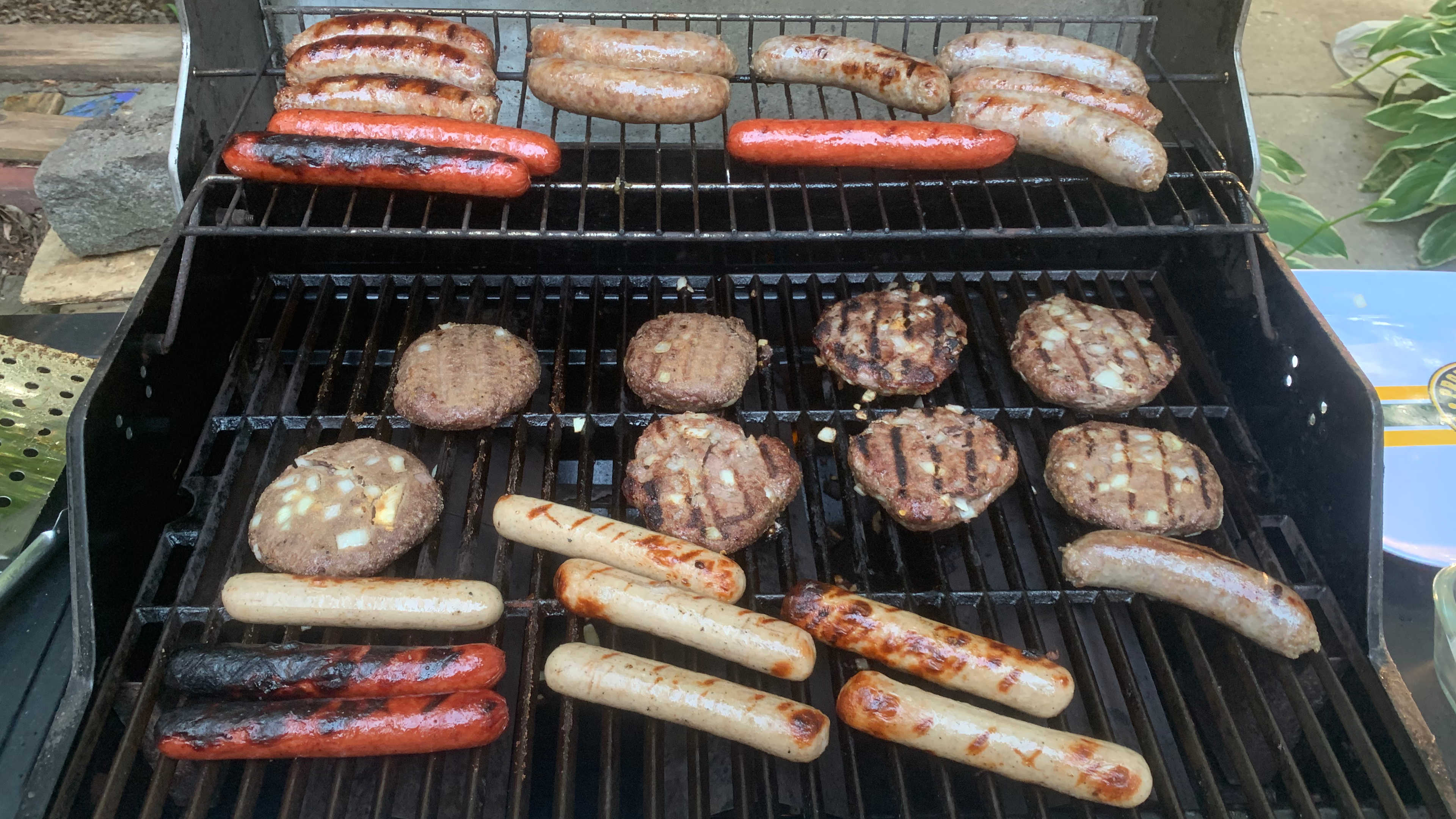
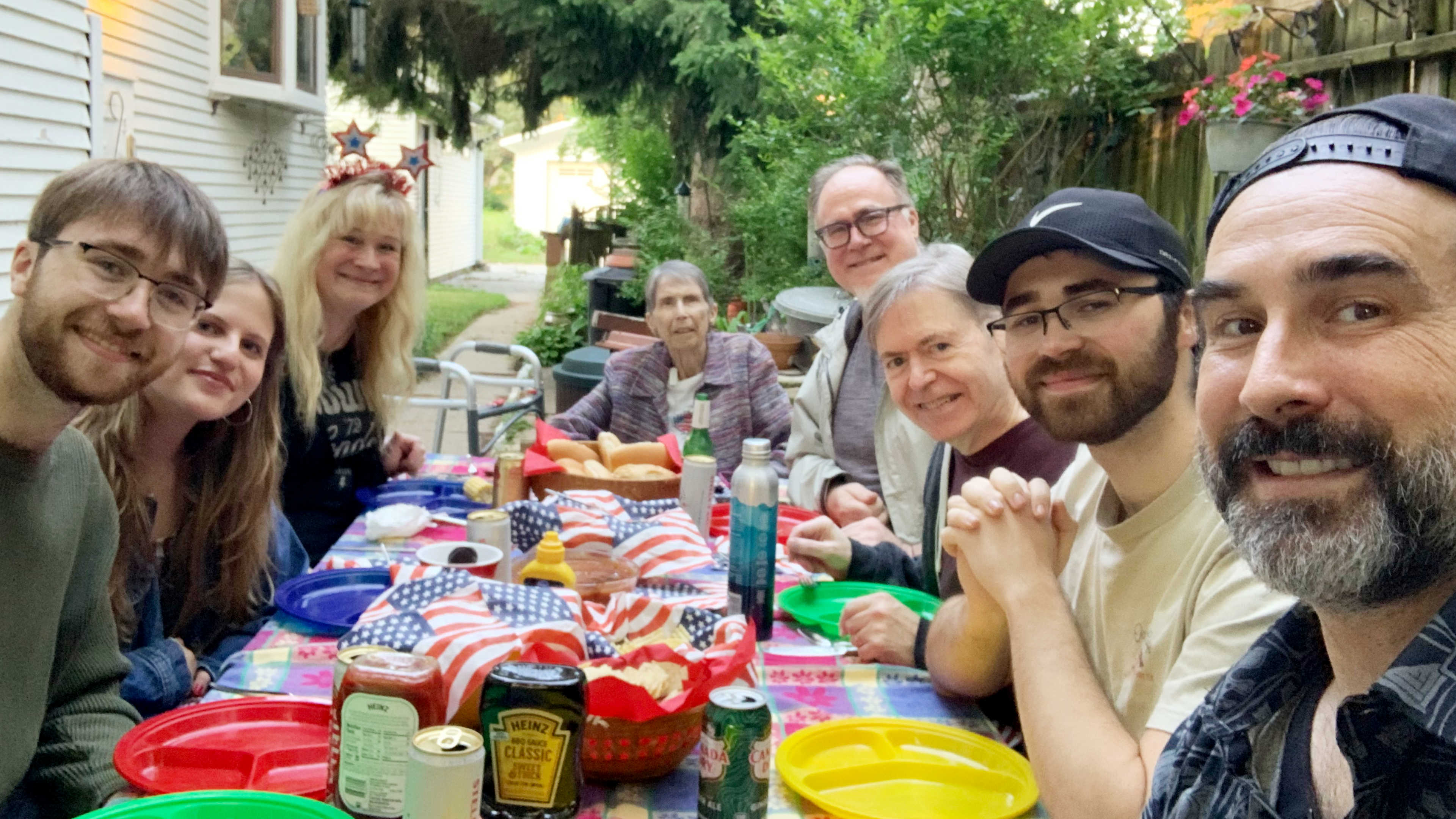
Restored grill with bratwurst and burgers cooking.
Outdoor barbecue on our patio for my sister's birthday.

Preparing the house also meant preparing to document what would happen inside it. I had my camera equipment to deploy and manage, along with several ideas about what it might allow me to capture.

Thinking cinematically, I wanted the obvious photographs but also transitions around them. I wanted the progression of everyone arriving, people coming through the door, food being prepared and activity moving between rooms. I wanted the quieter views before and after everyone left because the contrast would help reveal what had just occupied the space. I looked for establishing images, connective details and B roll moments that can later give an experience shape.
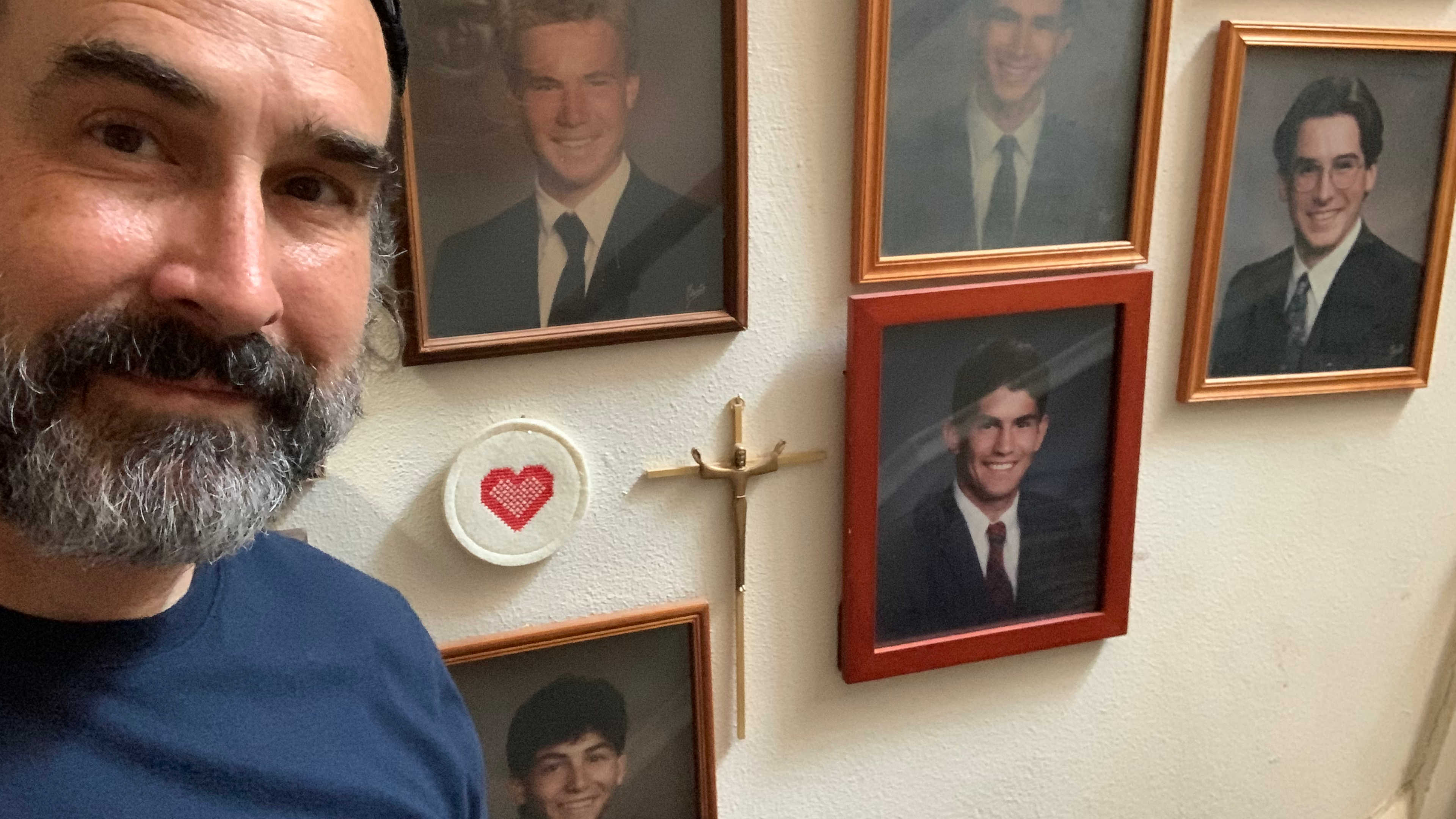

Image placeholder — 3. The Family Archive
Selfie beside a stairwell display of framed portraits of family.

Selfie beside a stairwell display of framed portraits of family.

3. The Family Archive

I was raised between two enthusiastic family photographers. My mother almost always had a point-and-shoot camera nearby, while my father carried a larger camera with a zoom lens and blinking flash. We called it R2D2. At birthdays and family gatherings, we often had to shift focus between them as each tried to get the photograph first.

The cameras were so constant that being photographed became part of how an occasion was acknowledged. The interruption was familiar. We knew when the picture was happening, where to look and when we could return to whatever we had been doing.

The evidence still surrounds us. Family photographs line the hallways and stairwells, with more gathered around my mother’s desk in the dining room. A digital Skylight frame, now broken, usually cycles through newer memories as they are added. Through each change in technology, the house continues to function partly as an archive of the people who have moved through it.

I inherited one of my father’s cameras, a Canon D60 DSLR, along with some of his instinct to preserve what was happening around him. Over time, that instinct became part of my professional practice. I have produced videos, managed large media libraries and designed custom tools for people to explore visual collections.

As a result, I tend to gather more material than I may ultimately use. I collect generously, knowing that I can make editing decisions later. Once the moment is captured, any processing can happen on its own timeline.
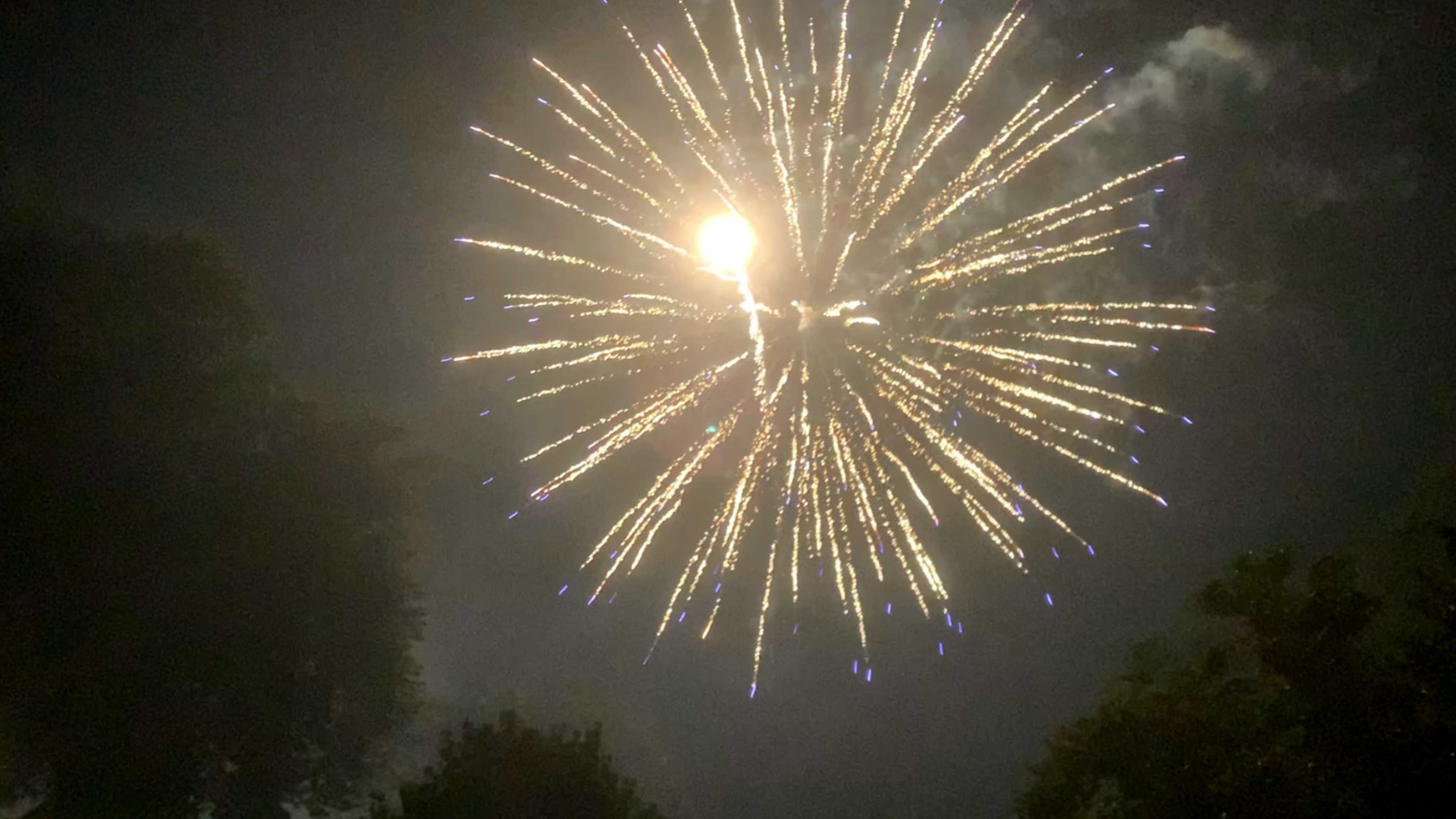

Image placeholder — 4. Arriving in Waves
Fourth of July fireworks exploding overhead at Klode Park in Milwaukee.

Fourth of July fireworks exploding overhead at Klode Park in Milwaukee.

4. Arriving in Waves

Family arrived in waves, each group following its own schedule. Some relatives stayed nearby and moved between the house and their own plans. Others came for meals, visits and events before leaving again. The gathering formed, dispersed and reassembled in different configurations.

The Fourth of July came together at the last minute. My brother Dave and I ran up to Klode Park and managed to find a place close to the front shortly after the fireworks began. They exploded almost directly overhead, close enough to fill our vision and feel the booms.

The next wave arrived from Australia with jet lag, two active six-year-olds and another family rhythm of its own. It took time for everyone to adjust and warm up. When we were together, the house became intensely active, with games, conversations and children playing as the World Cup appeared in the background for several days.

One morning, I found my brother had come over before his family had awakened and was sitting in the upstairs hallway outside his old bedroom where I was now staying. After three years in Australia, he was quietly reading a newspaper article about bratwurst, one of the most Milwaukee subjects imaginable.
"Upon those who step into the same rivers, different and again different waters flow."

— Heraclitus (Fragment B12)

Image placeholder — 5. Capturing the Moment
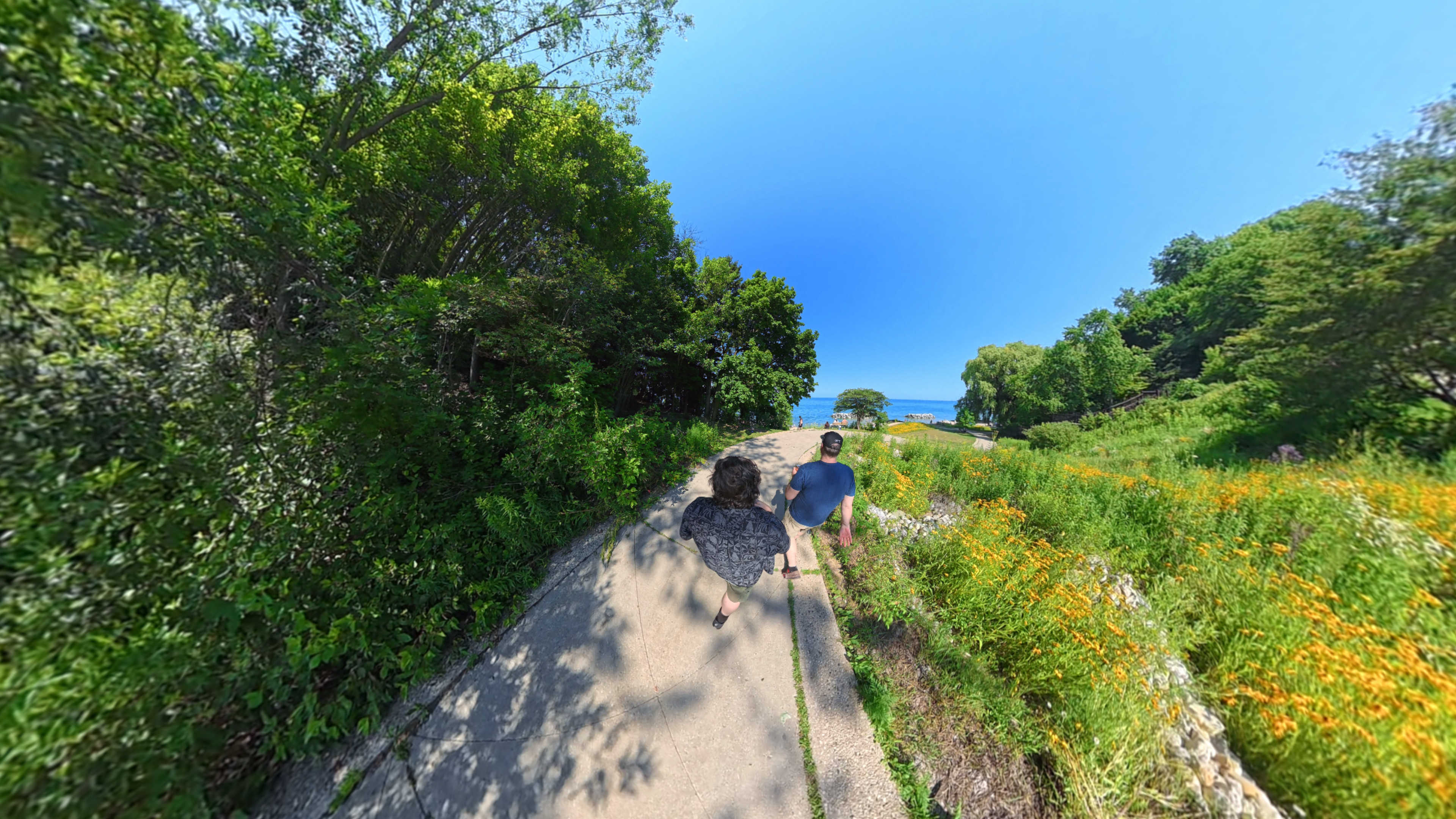
Wide 360-degree view of two people walking along a garden path beside flowers and trees.

Add caption.

5. Capturing the Moment

The fuller the house became, the more aware I became of what it meant to document it. I had brought cameras to preserve the gathering, but every moment spent deciding what to record was also a moment spent slightly outside it.

An iPhone is socially familiar. Someone raises it, aims it, takes a photograph or video then lowers it again. People usually understand what is being recorded and when the recording has ended. The gesture is obvious and the social agreement remains informal.

A specialized camera, like a 360° Insta360 or an action camera, creates different cues. It may sit quietly on a table or stand near the edge of a room while every direction remains part of its image. People nearby may not know whether it is recording or what will ultimately appear in frame. Every position around it is potentially inside the shot.

Accessories change the atmosphere, too. Although I own a three-meter selfie stick capable of producing elevated perspectives that can look as though the camera is floating through the scene, I rarely use it. Fully extended, it calls enormous attention to itself and turns a casual moment into something resembling a production. A smaller, one-meter stick has proved much more useful because it extends the camera while leaving the surrounding space relatively undisturbed.

Capturing the moment meant deciding when documentation was worth even a slight distance from simply being there. It also meant recognizing that not every moment needed to be recorded. In intimate family settings, discretion, privacy and presence often mattered more.


Image placeholder — 6. Peak Summer
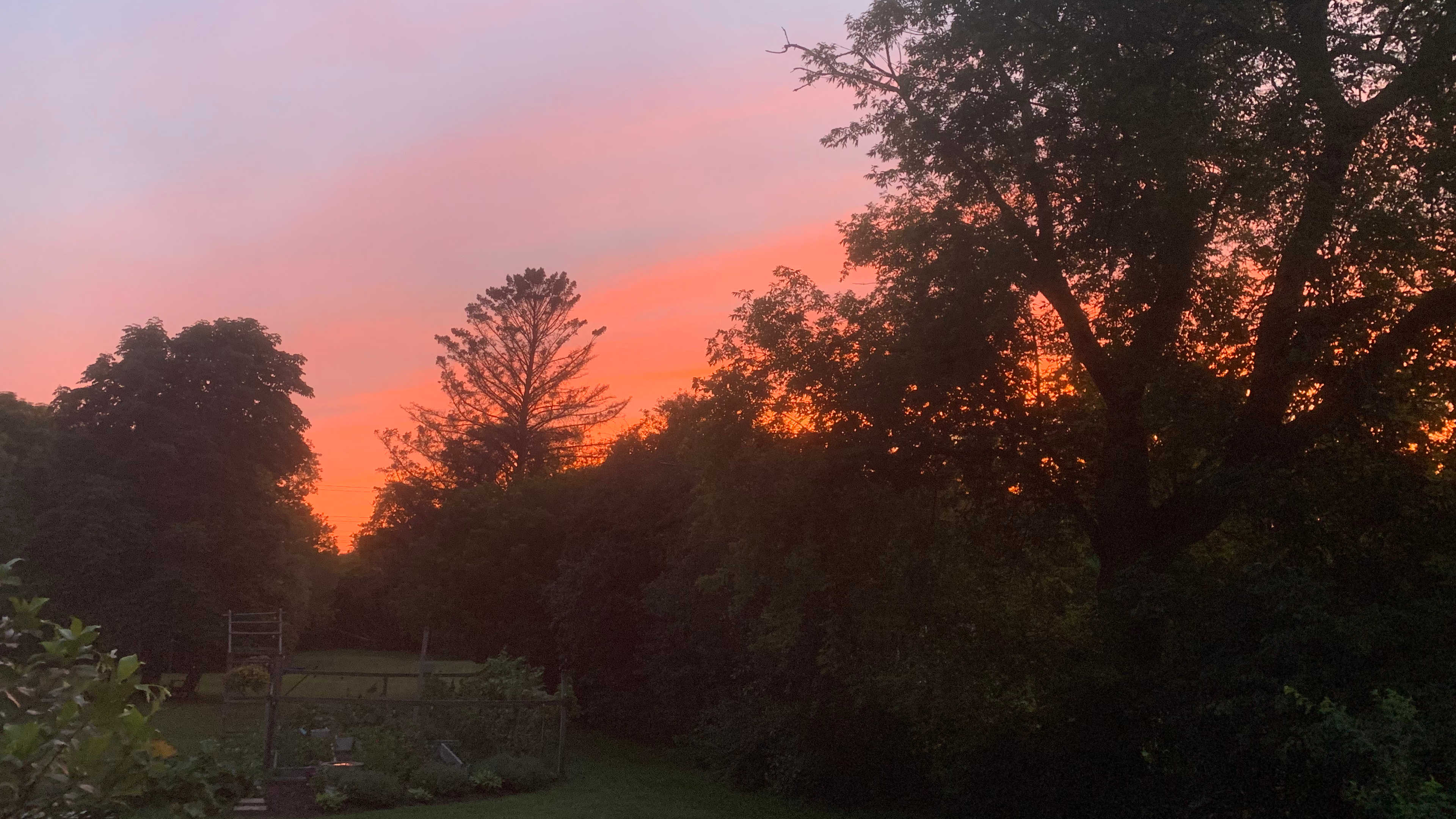
Pink and orange summer sunset glowing behind dark trees and a backyard garden.

Pink and orange summer sunset glowing behind dark trees and a backyard garden.

6. Peak Summer

The gathering included backyard BBQs, visits, shared meals and walks to the lake. Children played outside while relatives and friends moved through changing combinations of conversation and activity.

It was the middle of summer with gatherings in the yard, playing badminton and catch as evening came with lightning bugs sparkling through the yard, birds chirping and bunnies hopping around as the sun set over the horizon.

A family photograph, organized in that backyard with nearly everyone together, became the clearest record of the reunion at its fullest. So simple now. But it took someone recognizing the occasion, gathering the group and asking everyone to pause for the photo.

That act of orchestration is easy to overlook because it disappears inside the finished photograph. We tend to think important images are simply there to be captured, as if the camera only needs to be present. In reality, somebody usually has to see the photograph before it exists and interrupt the momentum of the day long enough to make it happen.


Image placeholder — 7. An Unexpected Surprise
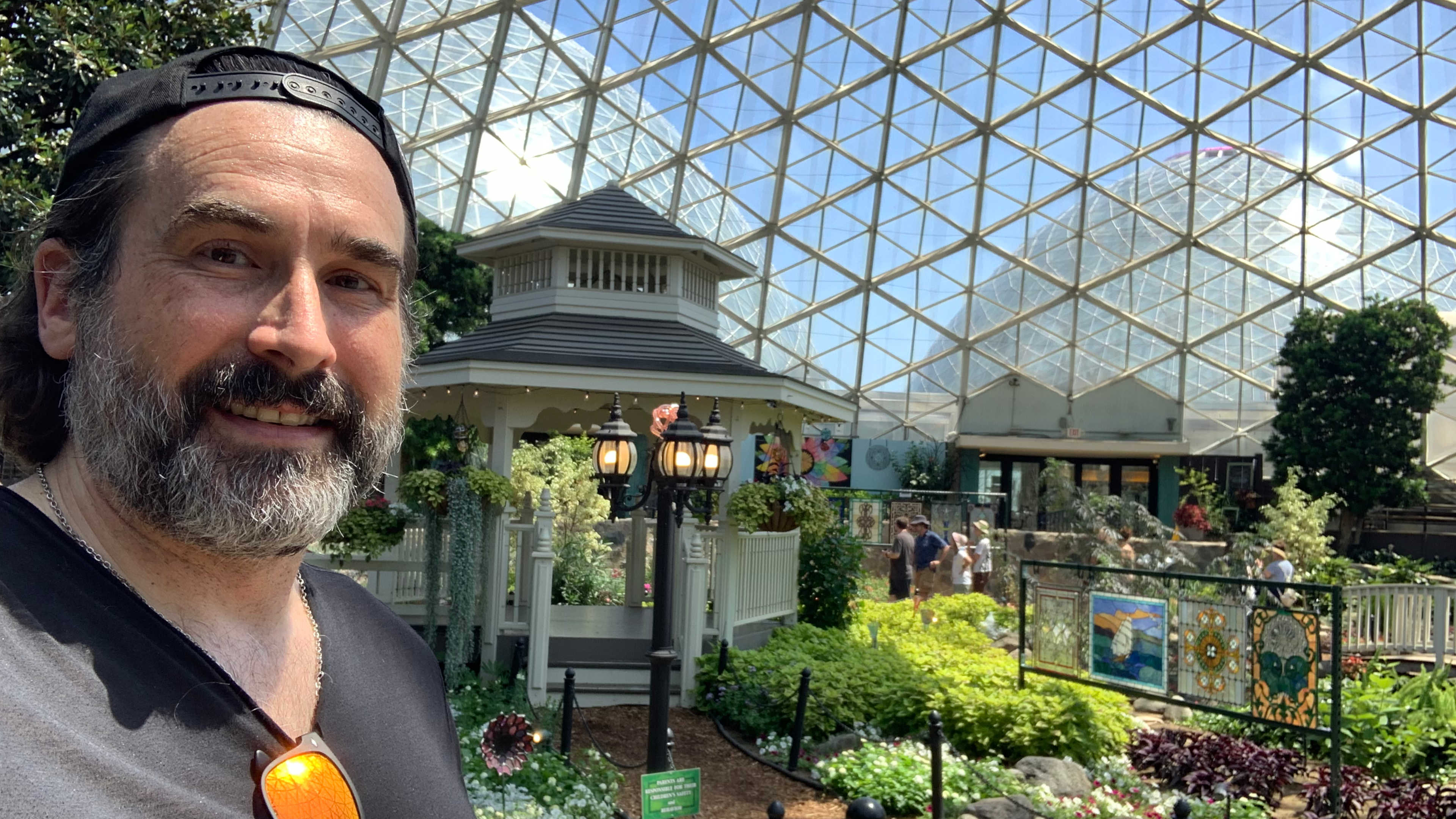
Self-portrait inside the glass-domed conservatory with a gazebo, garden beds and visitors in the background.

Self-portrait inside the glass-domed conservatory with a gazebo, garden beds and visitors in the background.

7. An Unexpected Surprise

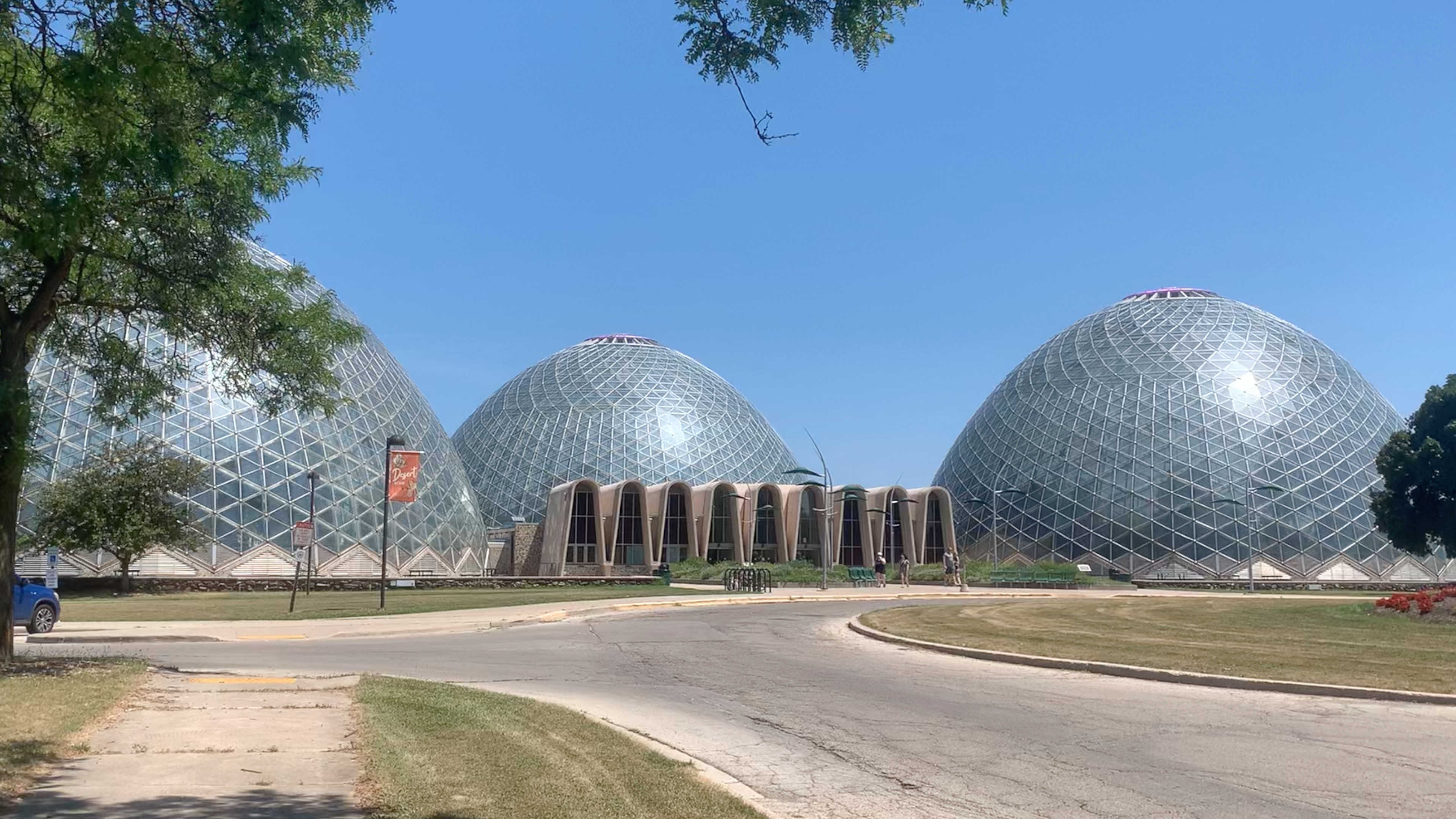
My brother's delayed flight gave us an unexpected opportunity to visit the Mitchell Park Domes Horticultural Conservatory External Link Icon before he left. The curving paths, dense plantings and enclosing architecture seemed perfectly suited to the Insta360. In that environment, the value of a camera capable of recording every direction at once became immediately apparent.

However, the camera's storage filled up after only a few minutes in the first of the three domes. So, I returned to a simpler approach I had already tested at a recent succulent expo in San Francisco (San Francisco Succulent Expo - June 2026 External Link Icon). Using only my iPhone, I walked through the remaining domes, recording a progression of straightforward shots.

The Milwaukee Domes Exterior
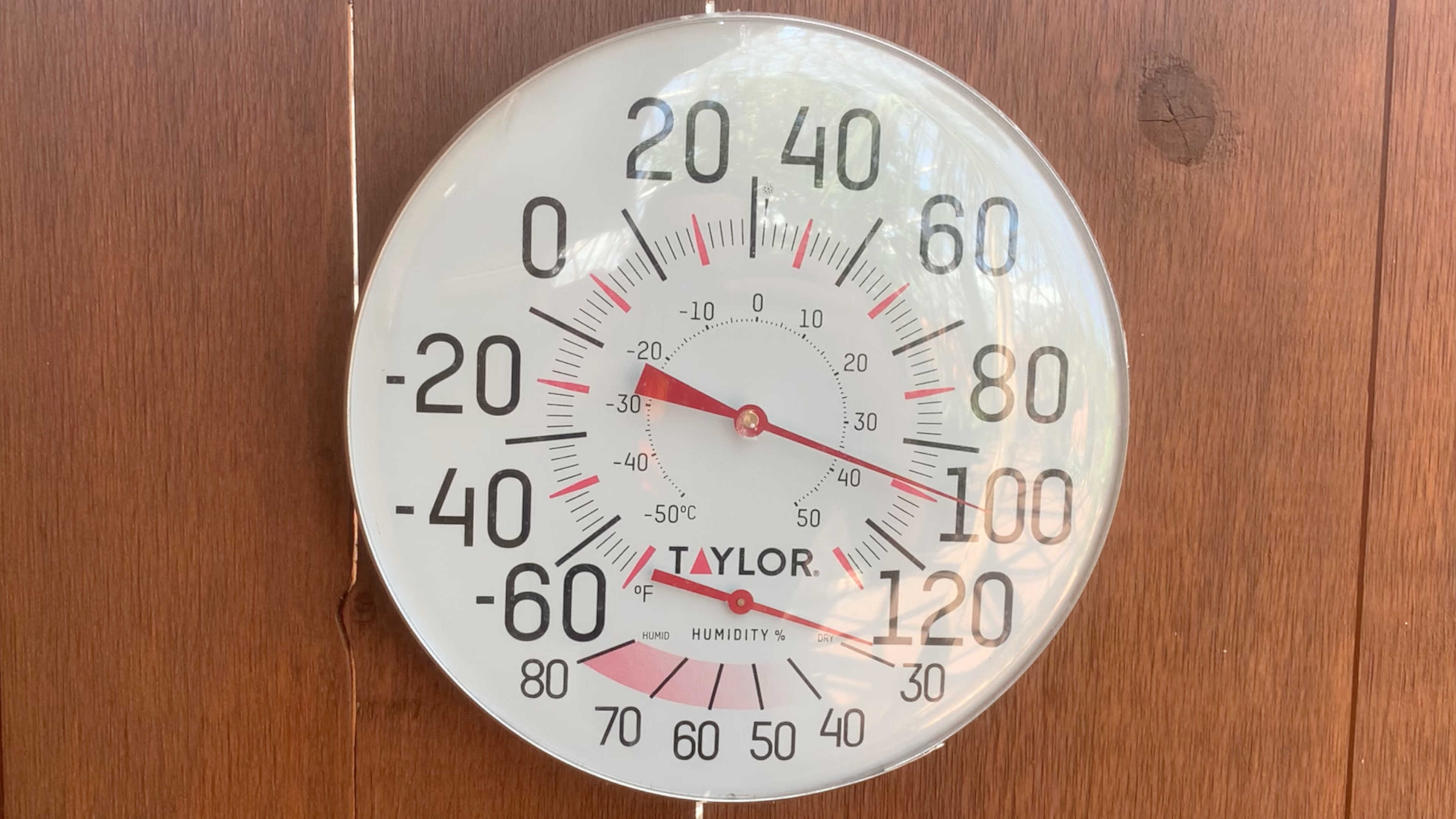
The temperature in Desert Dome was almost 100°.

Videography on the iPhone demanded a different kind of attention. I had to decide where to stand, how to move and when each shot was complete. Meanwhile, the Desert Dome approached 100°, and the heat began affecting the device. It became sluggish, overheated and occasionally refused to respond. Even so, the visit continued. Despite both cameras reaching their limits in different ways, I came away with a comprehensive video walkthrough, including several slow-motion pans.


Image placeholder — 8. The River
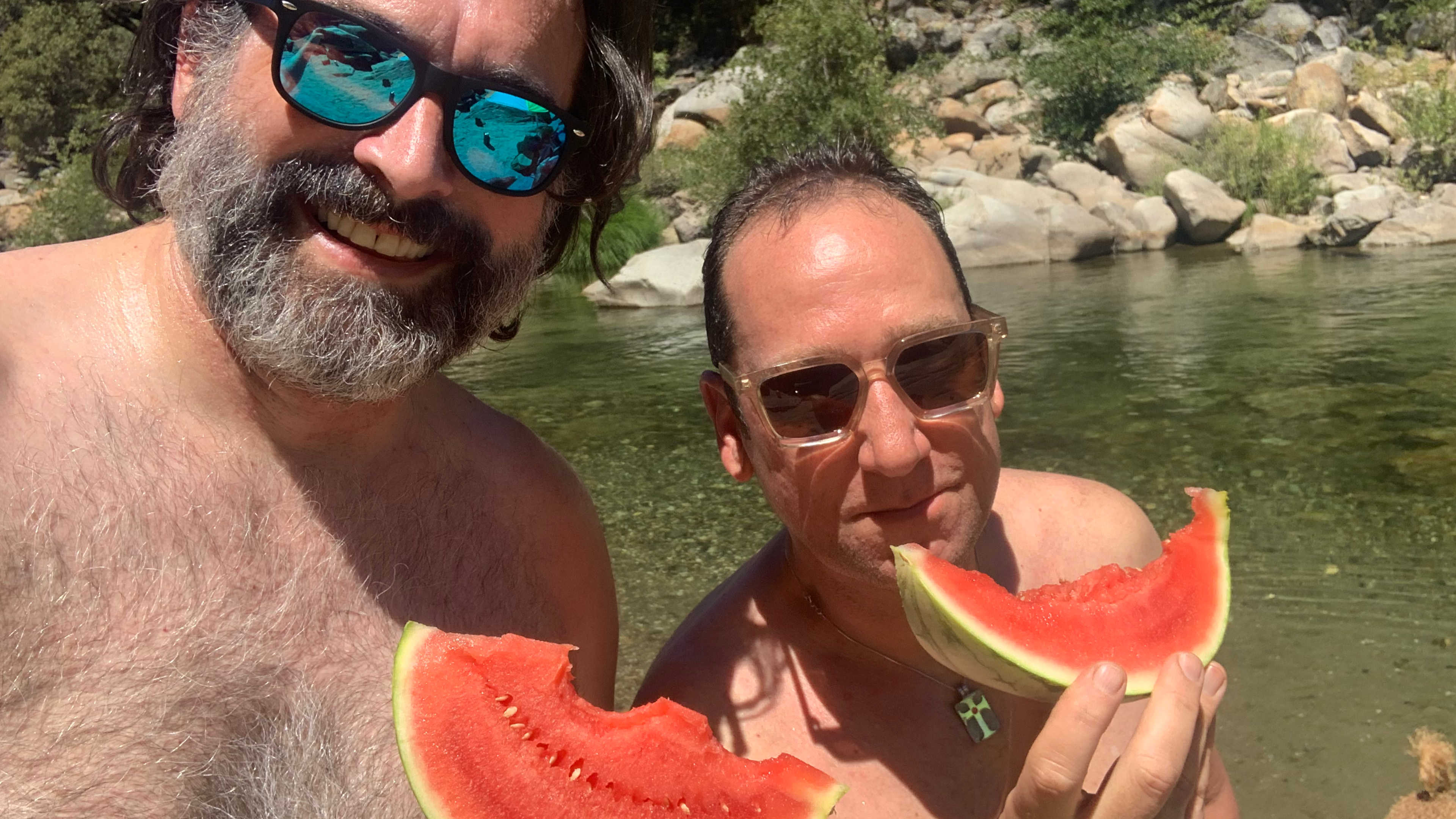
Me and a friend holding watermelon slices while standing in the South Yuba River.

Me and a friend holding watermelon slices while standing in the South Yuba River.

8. The River

A few days after returning to California, I left again to camp with friends near Colfax and visit South Yuba River State Park External Link Icon. Again I brought my phone, Osmo action camera and Insta360. As the saying goes, the best camera is the one you have with you. So, I figured it was better to at least have camera options. But this time, both specialty cams stayed in the bag. Six other people were already using their phones to photograph the trip and I figured we'd all get enough pictures and share.

Still, I continued thinking in sequences. I recorded the campsite including the campground sign and buildings (Manzanita Mountain/HipCamp). I photographed a small trail through a manzanita grove on the hill, the river we swam in and some of the stops we encountered. I imagined how these pieces might eventually be arranged into a short film, with signs and transitional images carrying us from one location to another.

Afterward, as hoped, everyone shared their photographs through our group chat. More than a hundred additional images arrived, showing moments I had missed from perspectives I could never have witnessed. The record of the trip became something assembled from seven people moving through the same experience with different cameras and ideas about what was worth keeping.


Image placeholder — Conclusion
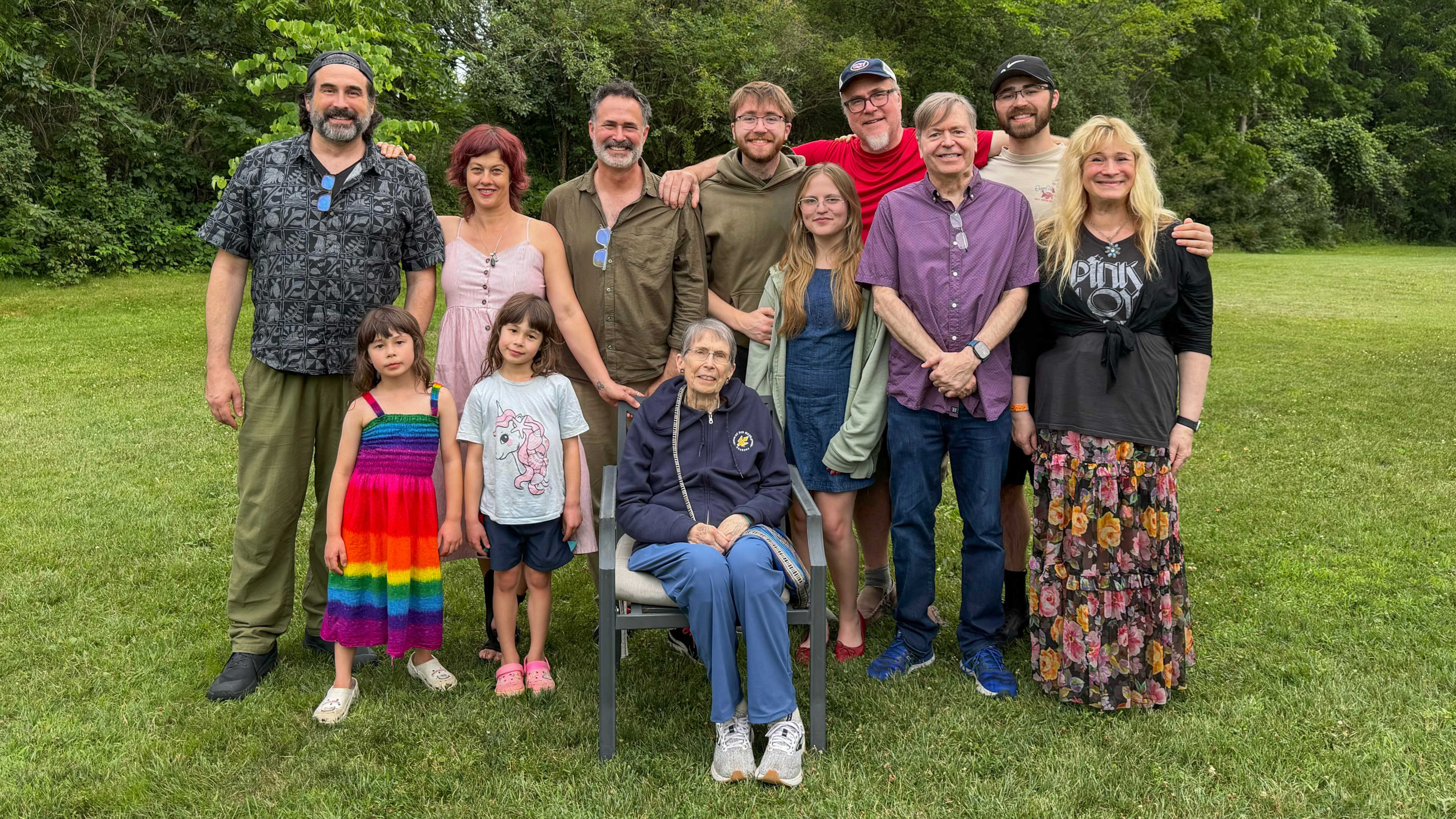
Multigenerational family group posing together on a lawn surrounded by trees.

Add caption.

Conclusion

Now, I've returned to San Francisco and am starting to sort through everything. Both gatherings are now over. The family house is quieter again. My brother and his family have continued through Southern California and returned to Australia. Last weekend's campsite has been dismantled, while the river continues to flow.

What remains is distributed across phones, cameras and memory cards. It lives in shared folders and the memories of everyone who had been there. Some of it may become a short film, highlight reel or a sequence of photographs. Some will remain untouched and unedited. Other moments will survive only because somebody mentions them and another person remembers. Together, they form a shared archive I couldn't have created alone.

And the next gathering will belong to another moment in the same river.


You may enjoy some other recent posts from our blog, including:

Blog Index


New Project?


Planning a new creative project and need expert support? We can help. Contact us today!


Stay Connected

Follow us on Facebook, Instagram, LinkedIn, X and YouTube for more design content and inspiration! Subscribe to our mailing list for our email newsletter with periodic updates